Pain is both a symptom and a problem. It misshapes feature, interrupts sleep, and weakens trust in the treatment system when it is poorly dealt with. Educating that focuses on discomfort is not a deluxe elective, it is a sensible bridge in between concept and the messy truth of clinics, wards, emergency bays, and rehab gyms. If you are taking into consideration a discomfort monitoring certificate program, the difference in between a program that changes your daily method and one that collects dust is discovered in the information: educational program deepness, mentor high quality, assessment design, and how the credential maps to your scope of practice.
This guide walks through the composition of solid pain monitoring training, what common programs expense, exactly how the credential relocates the needle on salary and duty progression, and exactly how to choose a training course that fits your professional setup. I will certainly reference typical frameworks such as PUAEme008 Give discomfort management from the Australian professional environment, along with the demands of registered nurses, physio therapists, paramedics, and allied wellness specialists who supply discomfort relief at the factor of care.
Where a certificate fits in the pain education landscape
Most medical professionals find out the pharmacology of anesthetics and items of the biopsychosocial version during entrance training, after that pick up the hinge on the task. The result is unequal competence. A certification program hurting administration or a concentrated discomfort management accreditation can compress years of experimentation right into a structured trajectory that covers intense and chronic presentations, procedural methods, security, and communication. For registered nurses and paramedics functioning under methods, and for physiotherapists incorporating rated direct exposure or hand-operated treatment right into lasting plans, official pain management training supplies common language and clearer thresholds for escalation.
Short training courses suffering management commonly run from 8 to 20 hours and focus on targeted subjects such as emergency situation discomfort administration, regional blocks, or opioid stewardship. A full pain management certificate training course usually covers 40 to 120 hours and includes supervised practice, instance discussions, and competency assessments. Discomfort monitoring training programs at the postgraduate level, particularly those aligned with universities, reach several systems or microcredentials that pile toward a master's degree.
What a durable curriculum looks like
Think in domain names rather than a checklist of drugs and diagnoses. Strong programs layer knowledge and abilities across physiology, analysis, multimodal treatments, security, and communication.
Acute pain scientific research and evaluation. The most effective programs support technique in nociception and inflection, and afterwards require you to demonstrate quick, structured evaluation. Numerical ranking scales are essential however insufficient. You need to triage warnings, decide between neuropathic versus nociceptive patterns, and determine psychosocial amplifiers that frequently impersonate as out-of-proportion discomfort. Great training makes you well-versed with tools such as the Pain Analysis in Advanced Mental deterioration scale for nonverbal adults or age-adjusted faces ranges for pediatric medicines, and teaches vibrant review every 20 to half an hour throughout acute management.
Chronic pain frameworks. Chronic primary discomfort, central sensitization, and are afraid evasion are persisting styles. Search for curricula that mix the neuroimmune design with sensible motivational interviewing, goal setting, and rated activity strategies. Programs that include lived-experience stories and clinician role-play have a tendency to produce much better carryover onto the ward or right into the clinic.
Pharmacology and protocols. Beyond memorizing application ranges, you need to practice constructing multimodal programs that balance rate, ceiling impacts, and unfavorable occasions. A useful sector could go through ketorolac for renal colic, low-dose ketamine for opioid-tolerant injury clients, topical lidocaine for neuropathic patches, or regional anesthetic for fractured neck of femur. Safe opioid techniques have to consist of danger assessment, tapering approaches, bowel prophylaxis, naloxone co-prescription plans, and state or nationwide recommending regulations.

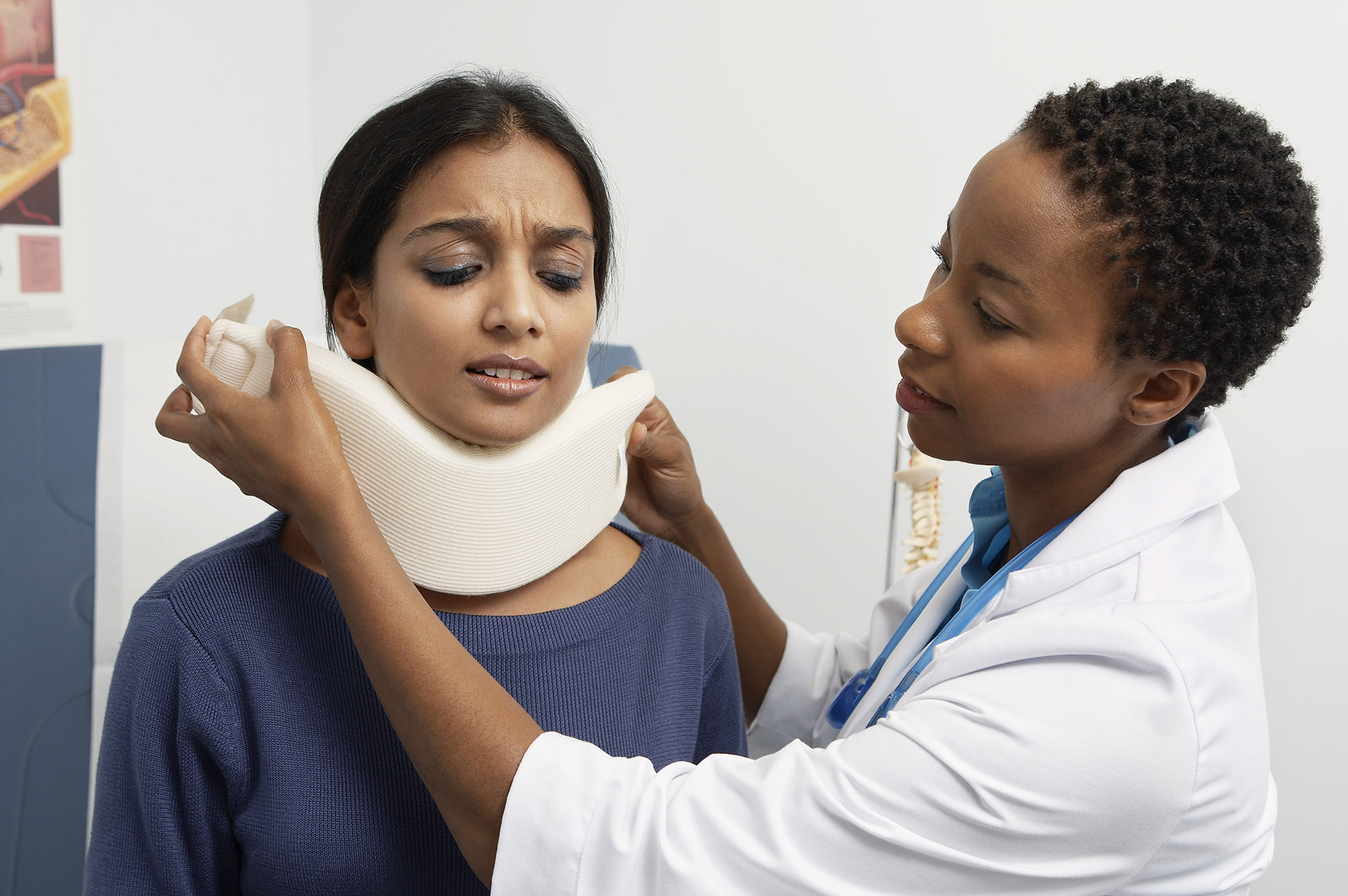
Nonpharmacologic methods. Physio therapists and registered nurses commonly learn a larger variety of options than prescribers receive in clinical school. Reliable pain monitoring training courses for physio therapists will rehearse graded direct exposure, pacing, sleep hygiene interventions, desensitization approaches, and the choreography of hands-on therapy within a biopsychosocial plan. For registered nurses, programs that incorporate heat and cold methods, TENS arrangement, diversion methods for children, and coaching for breathing workouts offer prompt value at the bedside.
Procedural pain and emergency situation treatment. Emergency discomfort administration demands pace. Right here, compression of choice time is as vital as accuracy. Substitute scenarios that force quick analgesic choice, titration, and sedation assessment adjustment behavior. Educating developed around PUAEme008 Offer discomfort management, usual in prehospital and event clinical contexts in Australia, emphasizes scene safety and security, evaluation, analgesic option under standing orders, and monitoring. If you plan to give discomfort administration in field or ED settings, insist on scenario hours and device capability, not just lecture.
Regional and local anesthetic fundamentals. The ideal program subjects you to infiltration techniques, nerve blocks matched to your range, and ultrasound fundamentals if your function enables. Also if you never position a block on your own, understanding onset times, failure modes, and red flags enhances your handover top quality and client counseling.
Communication and expectations. Pain is not just nociception, it is meaning. Training courses that educate structured scripts for expectation administration and shared decision-making produce fewer issues and better long-lasting adherence. The expression "we will go for comfortable function, not zero discomfort" modifications everything when delivered well.
Interprofessional control. Discomfort hardly ever sits within one clinician's silo. Coursework that consists of handoffs, documents requirements, and rise paths to discomfort solutions mirrors the real world. For example, a registered nurse that determines opioid-induced hyperalgesia needs a clear course to pharmacologist and physician collaboration.
Outcome measurement. You can not handle what you do not gauge. Educating that shows option and interpretation of end result actions such as the Quick Pain Supply, PEG range, Oswestry ratings, or pain interference metrics assists receive program-level improvements.
The PUAEme008 lens: what "provide pain monitoring" means in practice
The PUAEme008 Provide pain management device has actually ended up being a reference factor in Australia for prehospital personnel and some workplace initial responders. Its value is the focus on operational clearness. It usually calls for:
- Rapid evaluation and monitoring. Learners method discomfort racking up, observing for respiratory depression, and recording action to analgesia at established intervals. Analgesic selection under methods. Depending on the territory, alternatives might consist of breathed in methoxyflurane, oral or intranasal representatives, and parenteral medications when allowed by certification. Safety and authorization. Direction on contraindications, adverse event recognition, and when to postpone or escalate. Communication and handover. Short, organized summaries when transferring care.
If a training course advertises puaeme008 give discomfort administration positioning, check that it includes scenario-based analysis, tool experience, and documents exercises that match your solution's types. The proficiency feeling you desire at the end is this: you can walk into a disorderly scene, determine the priority pain issues, provide analgesia within your scope, and maintain the patient secure while preparing them for the next stage of care.
Formats and time commitments
Delivery format shapes what you actually learn. I have seen superb mixed designs and lightweight all-online ones, and the opposite. Suit the layout to the ability you need.
Fully online. Good for pharmacology, discomfort science, interaction structures, and situation analysis. Courses may run self-paced over 4 to 12 weeks with 2 to 4 hours weekly. Communication issues right here. Seek tutor-moderated forums and live webinars as opposed to static slide decks.
Blended. A solid choice for many clinicians, combining on the internet theory with in-person abilities days. A common pattern is 20 to 40 hours online adhered to by 1 to 2 days of workshops where you practice analysis, monitoring, and procedural abilities on manikins or standard patients.
Intensive in-person. Suitable for emergency pain administration, particularly when simulation labs, medicine pumps, and monitoring tools are included. You can expect 2 to 3 successive days, 16 to 24 call hours, with circumstance debriefs. These styles commonly deliver the highest self-confidence gains.
Stackable microcredentials. Some colleges and universities package discomfort administration training right into devices that can later on count towards graduate certificates or master's credit scores. The pace is slower, however the academic credit rating and evaluation rigor are attractive if you plan additional study.
Costs and what they purchase you
Tuition differs by location, credentialing level, and whether there is supervised method. Generally of thumb:
- Short courses hurting administration: usually USD 150 to 600 for 8 to 20 hours, typically totally online. Certificate program suffering administration or discomfort monitoring qualification program: USD 700 to 2,500 for 40 to 120 hours, with blended shipment and assessments. University-affiliated postgraduate discomfort units: USD 1,000 to 3,500 per unit, often more if they carry complete graduate debt and accessibility to college resources.
Add indirect costs. For in-person sessions, factor in traveling, lodging, and time away from medical job. If you need supervised technique or proctored exams, there might be website charges. Some courses call for existing BLS or ALS accreditation. In Australia, if you plan to make use of methoxyflurane or intranasal fentanyl under protocols attached to puaeme008, anticipate an equipment experience part that might bring a little consumables cost.
What greater fees often purchase: smaller sized accomplices, access to advisors with expert discomfort histories, better simulation, and organized comments on instance entries. In my experience, the value of a course is extremely associated with the quality of the assessment and feedback process. If there are no observed evaluations, you will likely return to old habits within weeks.
Admissions, prerequisites, and range limitations
Pain monitoring programs for registered nurses and discomfort management training for registered nurses usually require current registration and a minimum of 6 to 12 months of professional experience. Some consist of a pharmacology prerequisite or a medicine management endorsement. For physiotherapists, discomfort monitoring training courses for physio therapists typically expect a bachelor's level in physical rehabilitation or equivalent enrollment, with optional requirements in persistent discomfort or behavioral medicine.
Paramedics, first responders, and remote medics frequently get in by means of vocational pathways that link directly to PUAEme008 Provide discomfort monitoring or comparable devices. In these programs, the scope is tightly protocol-bound. You will be trained to deliver details representatives in specified scenarios and to turn over promptly when higher-level care is available.
Be clear concerning your range of method. A certificate does not give recommending authority where none exists. It also does not permit step-by-step blocks or sedation past your licensing framework. Courses should state explicitly what skills are within the expected range for various professions.
Assessment methods that really construct competence
Skip programs that rely only on multiple-choice tests. Great pain management training uses mixed-method assessment:
Case-based assignments. Students send de-identified cases showing assessment, differential medical diagnosis, intervention strategies, and follow-up. Pens give specific responses, not just grades.
Observed structured professional evaluations. An assessor views you take a pain history, counsel a patient concerning assumptions, or titrate analgesia on a manikin with vital indicator responses. This is work, but it seals habits.
Medication computation and safety checks. Errors in dosing and surveillance trigger preventable injury. Expect rate drills on weight-based dosing, renal changes, and reversal representative indications.
Reflective practice. Quick representations are not academic fluff when made use of properly. They disclose blind spots, specifically in managing individuals with high distress or facility psychosocial factors.
Simulation and debrief. Emergency situation discomfort scenarios with intentional anxiety vaccination educate tranquil sequencing. Debrief is where discovering settles. Ask whether the faculty are trained in debriefing, not simply enthusiastic regarding it.
Career impact: wage, duties, and everyday work
The profession effect of a pain administration certificate depends upon your standard role and your office's structure. A couple of patterns are consistent throughout settings.
Nurses. Completing a discomfort monitoring certificate can position you for scientific resource registered nurse or pain management techniques for nurses teacher functions, and for engagement in high quality efforts like opioid stewardship and ERAS programs. Salary increases differ by region, yet I have seen differentials of 3 to 8 percent when the training course is recognized in a professional ladder. A lot more significantly, nurses with this training usually lead analgesia pathway reforms, adjustment PCA methods, and advisor peers. That presence has a tendency to cause advancement.
Physiotherapists. For musculoskeletal and relentless pain caseloads, accreditation strengthens reference confidence and validates longer assessment ports. With quantifiable end results, facilities commonly shift intricate pain customers towards qualified physios, which can support greater payment rates in some systems. The larger influence remains in improved discharge prices and lowered flare-ups, which gets observed in multidisciplinary teams.

Paramedics and first -responders. When straightened to PUAEme008 Provide discomfort management and regional authorizations, certified -responders can carry out analgesia that previously required higher-level staff. That autonomy speeds alleviation and enhances individual contentment scores. Some solutions connect pay indicate additional proficiencies, though the increments are typically moderate. The larger gain is employability throughout solutions that expect puaeme008 provide discomfort monitoring capability.
Pharmacists and physicians. For prescribers, a certification provides structure to deprescribing and multimodal planning. I have seen outpatient discomfort centers prioritize applicants that provide a pain management certification over those without formal training. The income result is much less straight, however panel dimension and case intricacy often enhance, which can line up with productivity-based compensation.
A quiet however real advantage is danger reduction. Clear documentation of analysis, reasoning, and keeping an eye on reduces medicolegal direct exposure. Leaders discover medical professionals that combine empathy with protocol adherence.
Examples from practice
On a medical ward, a charge nurse with a pain management certificate reworded the PCA handover list after 2 near misses out on with respiratory clinical depression article op. She added a basic action, an explicit sedation rating before each dosage modification. Over the following quarter, naloxone use went down from four situations to one, and client complete satisfaction around discomfort control improved by 12 points on the healthcare facility's interior metric.
In a community physio center, one therapist finished a pain administration certification focused on persistent pain. He included a regular PEG scale, a three-item tool connecting discomfort strength, pleasure of life, and basic activity. Within six months, his chronic low back pain cohort revealed a typical 30 percent renovation in PEG scores. Referrals from local General practitioners increased, not as a result of advertising and marketing, however due to the fact that discharge letters consisted of evaluated results and clear plans.
A remote area paramedic trained to PUAEme008 Supply discomfort monitoring shaved 20 mins off time to first analgesia throughout mining site injuries by bring pre-drawn intranasal choices within method. The company retained him and funded added simulation training since near-miss reports declined and damaged employees reported a lot more confidence in onsite care.
How to examine a program prior to you enroll
You can not inform a training course's high quality from a landing web page alone. Utilize these checks to stay clear of customer's remorse.
- Faculty transparency. Do they list teachers with credentials in anesthesiology, discomfort medication, emergency situation care, physiotherapy, or nursing education and learning? Complement faculty with existing clinical articles matter more than celeb keynotes. Assessment information. Look for OSCEs, case submissions, and feedback timelines. If the only evaluation is a multiple-choice test, step on. Scope placement. Verify that skills instructed suit your legal extent and your work environment protocols. A fantastic ultrasound block component is ineffective if you can not practice it. Practice assimilation. Request example jobs or a curriculum. Are there components on documentation, handovers, and gauging end results? These are the bars that transform systems. Employer acknowledgment. Inspect whether your healthcare facility, service, or regulator notes the program for continuing education and learning credit history. If the course claims placement to puaeme008 provide pain management, verify the particular components and whether your territory acknowledges it.
Building your own learning strategy around the certificate
A training course is a catalyst, not the entire journey. Prepare for prework and aftercare.
Before training, audit your current method. Draw 5 current instances. Determine where you waited, where adverse effects happened, and how outcomes were measured. This standard will certainly assist you set targets throughout the course.
During training, pick 2 behaviors to overlearn. For several clinicians, these correspond reassessment periods and tighter documentation of rationale. Treat these like step-by-step skills and get comments until they are automatic.
After training, bargain one change in your office. It can be tiny, like embracing a basic sedation range across shifts, or bigger, like piloting a nonpharmacologic bundle for persistent pain in primary care. Your certificate is much more convincing when paired with a carried out improvement.
Mentor somebody. Teaching consolidates your own skill. A junior associate who discovers to titrate analgesia safely or to set sensible expectations with chronic pain individuals becomes a multiplier for person safety and satisfaction.
Special factors to consider by profession
Nurses. Prioritize programs that stress tracking, reassessment routines, and opioid stewardship, with components on delirium and geriatric sensitivity. Pain management training for nurses that consists of simulation with risky opioids and PCA troubleshooting repays immediately on inpatient units.
Physiotherapists. Choose pain management programs for physiotherapists that stabilize neuroscience with used behavior methods and exercise prescription. Prevent programs that lean also hard right into viewpoint without giving you concrete tools for session preparation and progression.
Paramedics and initial -responders. If your solution utilizes methoxyflurane, intranasal fentanyl, or low-dose ketamine, guarantee the course provides tool knowledge and protocol drills. Programs lined up to PUAEme008 Offer discomfort administration need to consist of situation time and specific documentation training.
Pharmacists. Search for programs with a heavy dosage of deprescribing, opioid rotation, neuropathic representatives, and taper planning, plus interprofessional interaction. Several groups need a pharmacologist champion in pain rounds.
Physicians and progressed practice providers. Choose programs with instance conferences, legal and regulative updates, and abilities in hard discussions around tapering and practical objectives. If step-by-step discomfort is your passion, make certain monitored method is offered and legally recognized.
Common challenges and exactly how to avoid them
Overfocusing on opioids. Medical professionals occasionally error discomfort management certification for opioid training. A balanced curriculum invests as much time on nonopioid pharmacology, nonpharmacologic strategies, and expectation setup as it does on morphine equivalents.
Neglecting documents. Poor reasoning and surveillance notes threaten good treatment. Make it a personal standard to document pain scores, practical goals, chosen technique with reason, and the review plan.
Skipping de-escalation. Discomfort strength and analgesic dosage do not increase for life. Build in specific taper points, even in acute setups, and communicate them to people and teams.
Forgetting unique populations. Pediatrics, older grownups, and renal or hepatic impairment require adjusted plans. Try pain management certification to find components that cover these variations with application calculators and lists you can make use of on shift.
Assuming accreditation equates to authority. Your range still regulates. If you can not recommend or carry out a specific representative, your power depends on assessment, referral, and coordination.
Final thoughts for the decision
If you work anywhere that discomfort intersects with your day-to-day practice, a discomfort management certification can develop your judgment and enhance results, given you choose intelligently. The most effective programs stitch together scientific research and practice, need you to reveal your resolve instances and simulations, and regard the restrictions of each career's range. Prices are actual, however so are the gains in patient safety and security, clinician confidence, and group trust. When you can walk right into an area, quickly assess, pick a sensible multimodal plan, established assumptions, and measure action, you change the trajectory of that individual's day. Multiply that by the number of experiences you will have this year, and the return on significant discomfort management training is obvious.